
The National Do Not Call Registry (NDNCR) and Colorado's No Call List protect residents from spam calls by allowing opt-out from sales or marketing calls. Businesses must register with the state and follow legal routes for legitimate contact, facing fines for non-compliance. Spam Call law firms in Colorado help ensure privacy while facilitating authentic business interactions through call management protocols and adherence to relevant laws.
"Unwanted spam calls are a persistent nuisance, but navigating anti-spam laws can help businesses and individuals protect their privacy. This article delves into two key initiatives: the National Do Not Call Registry (NDNCR) and Colorado's No Call List. We explore how these programs work, their respective registration processes, and unique considerations for law firms in Colorado to mitigate spam calls effectively while adhering to state regulations."
Understanding National Do Not Call Registry

The National Do Not Call Registry (NDNCR) is a federal database designed to protect consumers from unwanted telemarketing calls, also known as spam calls. This registry allows individuals to register their telephone numbers and opt-out of receiving marketing or sales calls. The NDNCR is enforced by the Federal Trade Commission (FTC), which works to prevent violators from making such calls to registered numbers. This law applies nationwide, ensuring consistency in consumer protection.
For residents of Colorado, the NDNCR offers a solid foundation for protecting against spam calls. However, state laws like the Colorado No Call List further strengthen these protections. By registering with both the federal and state lists, Coloradans can significantly reduce the volume of unwanted calls they receive, providing peace of mind and ensuring compliance with relevant Spam Call law firm regulations.
Colorado's Approach to Anti-Spam Laws

Colorado takes a unique approach to combating spam calls with its No Call List, providing residents with an extra layer of protection beyond the national Do Not Call Registry. This state-level initiative recognizes the ever-evolving nature of telemarketing and the need for more localized control. By implementing this list, Colorado's law firm focus shifts towards empowering individuals to take a more proactive stance against unsolicited calls.
The No Call List allows Coloradans to register their phone numbers and opt-out of sales or marketing calls, giving them direct control over their communication preferences. This local solution ensures that residents can protect their privacy while also catering to the specific needs and concerns within the state. It empowers individuals to decide when and how they want to be contacted, fostering a sense of agency in an era where spam calls have become increasingly prevalent.
Registration Process for Business and Individuals
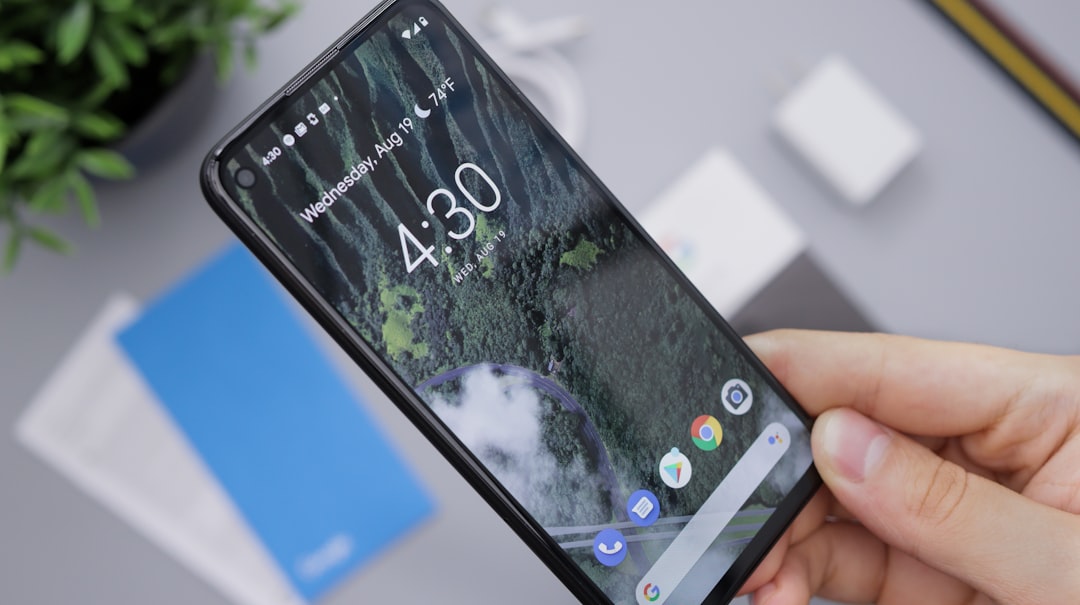
In Colorado, both the National Do Not Call Registry and the state-specific No Call List offer protection from unwanted spam calls, with distinct registration processes tailored for businesses and individuals. For businesses operating in Colorado, registering with the state's No Call List is mandatory for all telephone numbers used for business purposes. This process involves submitting accurate and up-to-date contact information to the Colorado Public Utilities Commission (PUC). Businesses must also ensure they have obtained proper authorization from customers before adding their phone numbers to the list.
For individuals, registering with either the National Do Not Call Registry or Colorado's No Call List is a straightforward process. Phone users can enroll online through the Federal Trade Commission (FTC) website or by calling 1-888-372-7245. Upon enrollment, participants receive confirmation of their registration, which lasts for five years unless they choose to opt out. This simple step significantly reduces the volume of spam calls received, offering residents and businesses a quieter, more peaceful communication environment. Individuals who encounter non-compliant callers can report them to the relevant authorities for further action under the Spam Call law firm Colorado regulations.
Exemptions and Penalties: What You Need to Know

In Colorado, the No Call List is a powerful tool for residents to reduce unwanted spam calls, but it's not without its exemptions and penalties. Businesses with legitimate reasons to contact individuals can avoid the restrictions by enrolling in the National Do Not Call Registry (NDNCR) or obtaining specific permits from the state. For instance, telemarketers who comply with NDNCR rules and honor consumer choices are less likely to face legal repercussions.
Penalties for violating Colorado's No Call List laws can be severe, including fines of up to $10,000 per day for each violation. If a spam call originates from an unregistered or unauthorized source, the potential consequences become even more significant. A reputable Colorado spam call law firm can provide guidance on navigating these complex regulations and ensuring compliance to protect individuals' privacy rights while facilitating legitimate business practices.
Protecting Your Lines: Best Practices for Law Firms

Law firms in Colorado, like elsewhere, face a unique challenge in the form of spam calls, which can disrupt operations and negatively impact client relationships. To protect their lines and maintain a professional environment, law firms should adopt best practices inspired by the National Do Not Call Registry and Colorado's No Call List initiatives.
Firstly, they should ensure comprehensive employee training on call management protocols. This includes recognizing and blocking suspected spam calls, implementing automated call screening systems, and encouraging staff to never share personal or sensitive information over the phone unless absolutely necessary. Additionally, law firms should regularly review and update their call policies, staying informed about local and federal regulations related to Spam Call laws in Colorado to ensure compliance. Proactive measures like these can significantly contribute to a smoother, more secure communication experience for both staff and clients.