
Robocalls remain a major nuisance in Colorado despite regulatory efforts, including the Telephone Consumer Protection Act (TCPA) and the Colorado Consumer Protection Act. To combat them, consumers should document calls, register for the National Do Not Call Registry, explore private litigation, and stay informed about legal protections. A Do Not Call Lawyer Colorado assists residents navigating these measures against unwanted calls, which pose privacy risks and financial losses. Mitigation strategies include specialized blocking tools and educational awareness, with collaboration from legal aid organizations for collective defense.
Robocalls, despite efforts like the National Do Not Call Registry, continue to inundate American phone lines, reaching over 40 billion last year alone. This deluge poses a significant challenge, particularly for Coloradans seeking respite from unwanted calls, including those promising prizes, promoting political candidates, or purporting to be from government agencies. While laws like the Telephone Consumer Protection Act (TCPA) and state-level Do Not Call regulations offer protections, enforcement gaps and evolving call tactics create persistent issues for consumers. This article delves into these challenges, examines strategies to combat robocalls, and highlights the critical role of a Do Not Call Lawyer Colorado in navigating this complex landscape.
Understanding Robocalls: A Legal Perspective in Colorado

Despite the best efforts of regulators and consumer protection agencies, robocalls persist as a significant nuisance across the United States, including Colorado. Even with the implementation of strict No Call regulations, these automated telephone marketing calls find ways to penetrate household voices. From political campaigns to sales pitches for insurance or financial products, robocalls have proven remarkably adaptable in their methods. In Colorado, consumers often face a complex legal landscape when dealing with unwanted robocalls, especially when these calls invade personal space despite the Do Not Call registry.
The Telephone Consumer Protection Act (TCPA) serves as the backbone of federal legislation aimed at curbing excessive robocalling. However, enforcement can be challenging due to loopholes and rapid advancements in technology. Colorado-based consumers often rely on state-level protections as well, such as the Colorado Consumer Protection Act, which prohibits deceptive or unfair practices. Do Not Call Lawyer Colorado plays a pivotal role in guiding individuals through these legal frameworks, assisting them in understanding their rights and taking action against persistent robocallers.
Practical insights for consumers include maintaining accurate records of suspected robocalls, including call timestamps and content. This evidence can be invaluable when filing complaints with the Federal Trade Commission (FTC) or relevant state agencies. Additionally, registering for the National Do Not Call Registry is a fundamental step in reducing robocalls; yet, it’s important to note that many robocallers bypass these lists through sophisticated avoidance tactics. Legal experts suggest exploring private litigation as a means of holding rogue call centers accountable, especially when calls violate state and federal laws. By staying informed about evolving legal protections and taking proactive measures, Colorado residents can better defend themselves against the relentless tide of unwanted robocalls.
Navigating Do Not Call Regulations: Rights & Loopholes
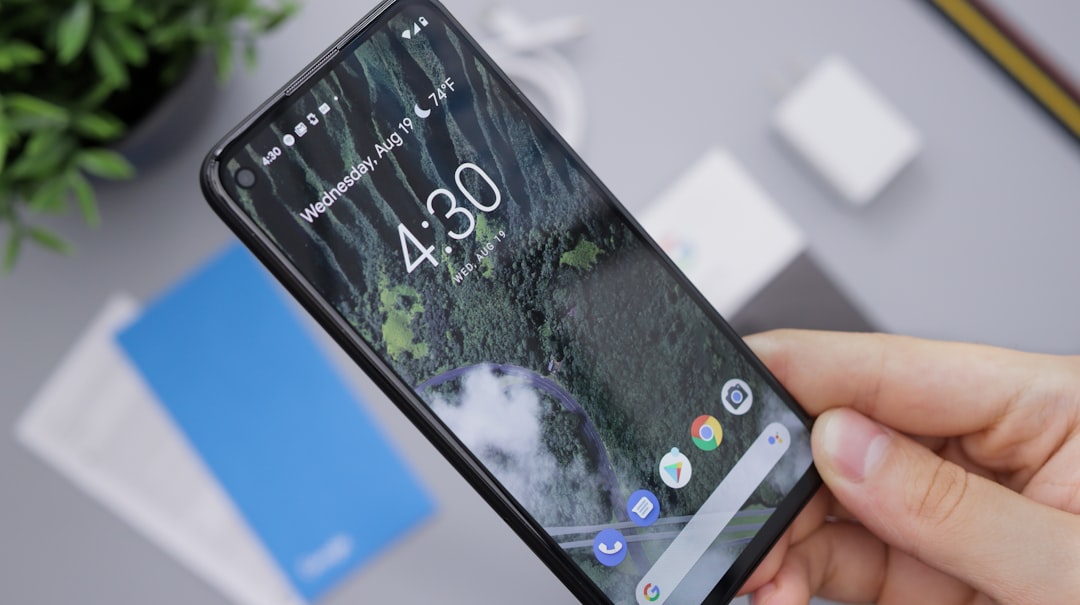
Despite robust Do Not Call regulations, robocalls persist as a nagging problem for consumers across the nation, including Colorado. While these laws offer individuals significant protections against unsolicited phone calls, they are not without complexities or loopholes that unscrupulous callers exploit. One of the primary challenges lies in the interpretation and enforcement of these regulations, particularly when it comes to do-not-call lists and consumer rights.
In the U.S., the Telephone Consumer Protection Act (TCPA) serves as the cornerstone of Do Not Call legislation. However, the act’s effectiveness is often undermined by caller ID spoofing, automated systems that bypass registration mechanisms, and calls originating from outside the country. Moreover, the TCPA allows for certain types of robocalls, such as those made for fundraising or with explicit prior consent, which can make enforcement even more complicated. In Colorado, a Do Not Call Lawyer plays a crucial role in navigating these intricacies. These legal experts help consumers register complaints and take legal action against persistent robocallers, ensuring that their rights are upheld according to state and federal laws.
A recent study by the Federal Communications Commission (FCC) revealed that millions of Americans still receive unwanted robocalls daily. This highlights a critical gap in the system, where technological advancements have outpaced regulatory measures. To combat this, consumer advocacy groups push for stricter enforcement, more robust do-not-call lists, and enhanced caller identification technology. Until these loopholes are addressed, Colorado residents, like many others, must remain vigilant and informed about their rights to minimize the nuisance and potential risks associated with robocalls.
Strategies for Victims: Fighting Back Against Robocalls

Despite robust No Call regulations, robocalls persist as a pervasive and frustrating issue for many Colorado residents. These automated calls, often masking themselves as legitimate business inquiries or survey requests, can be particularly challenging to mitigate due to their volume and sophisticated tactics. Victims of these intrusive calls face not only annoyance but also potential privacy risks and financial losses.
For those affected, taking proactive measures is essential. Engaging the services of a Do Not Call Lawyer Colorado can be a powerful strategy. Legal experts in this field can provide tailored advice and assistance. One effective approach is to register with national “Do Not Call” registries, such as the National Do Not Call Registry, which prohibits telemarketers from calling numbers listed on it. However, even with registration, specialized robocall blocking tools and apps can offer additional protection by identifying and filtering out suspicious calls.
Beyond technical solutions, education is a vital weapon against robocalls. Staying informed about common scams and manipulation tactics empowers individuals to identify and report these calls effectively. Many fraudsters rely on low-tech methods like spoofing local area codes or using pre-paid phones, making it crucial for victims to remain vigilant. Collaboration with community legal aid organizations and consumer protection agencies can also help spread awareness and provide access to collective resources, offering a robust defense against the relentless robocall problem.