
Colorado's No Call Database, maintained by the PUC and enforced by the Attorney General, protects residents from unwanted telemarketing calls. Telemarketers must comply with Do Not Call Laws or face fines and reputational damage. Coloradans can register their numbers online to opt-out, and consulting a lawyer for Do Not Call Laws Colorado offers guidance on compliance and dispute resolution. Businesses should seek legal advice from these experts to verify consent, create policies, and avoid legal action.
In the digital age, telemarketing practices have evolved, yet consumer privacy remains a paramount concern. Colorado’s No Call database is a crucial mechanism designed to protect residents from unwanted sales calls, offering them peace of mind. However, the effectiveness of this initiative hinges on understanding how telemarketers gain access to these databases. This article delves into the intricate process, exploring the legal frameworks and strategies employed by lawyers specializing in Do Not Call Laws Colorado to ensure compliance and safeguard consumer rights. By unraveling this complex topic, we empower individuals to make informed decisions regarding their privacy.
Understanding Colorado's No Call Database

Colorado’s No Call Database is a comprehensive registry designed to protect residents from unwanted telemarketing calls. This database is maintained by the Colorado Public Utilities Commission (PUC) and operates under the authority of the state’s Do Not Call Laws, enforced by the Attorney General’s Office. Every telephone number in Colorado that wishes to opt-out of receiving sales calls must be registered, ensuring a transparent and regulated environment for consumers.
The process begins when a resident or business decides to prevent telemarketers from contacting them. They can register their number online through the PUC’s official website or by submitting a form via mail. Once registered, the database is regularly updated, cross-checked against active telephone lines, and shared with telemarketing companies. This collaborative effort ensures that companies adhering to Colorado’s laws have access to the most current list of “do not call” contacts.
Telemarketers are legally bound to respect this database. A lawyer specializing in Do Not Call Laws Colorado can advise on the legal implications of non-compliance, which include substantial fines and damage to a company’s reputation. Regular audits by the Attorney General’s Office further reinforce the effectiveness of these laws, allowing for continuous improvement and protection for Colorado residents from intrusive marketing calls.
How Telemarketers Access and Bypass Lists
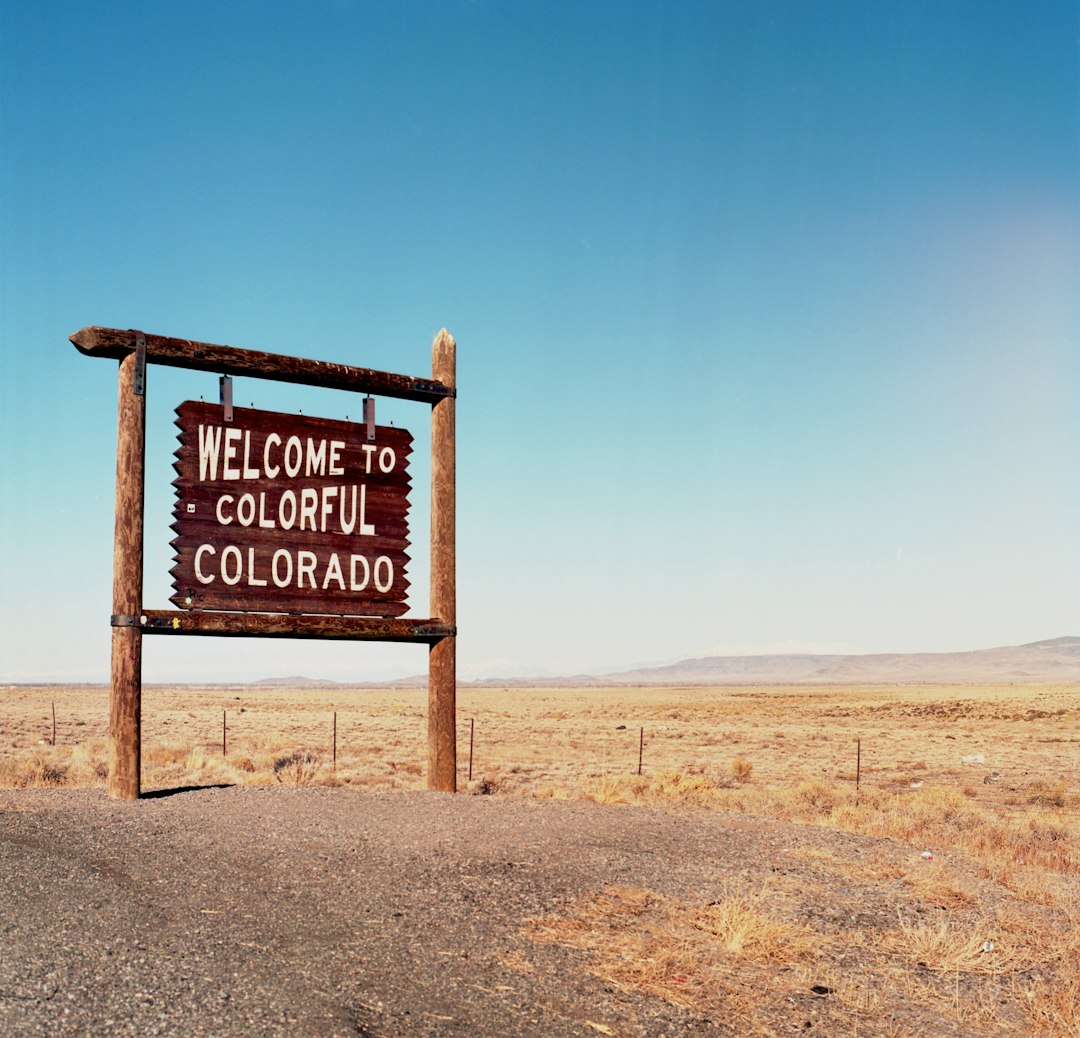
Telemarketers often target Colorado residents, seeking to access personal information and sell products or services. However, the state has stringent Do Not Call laws, enforced by a robust database that allows citizens to opt-out of unwanted calls. Despite these measures, telemarketers employ various strategies to bypass the system, raising concerns among consumers and prompting the need for heightened awareness.
One common tactic involves purchasing or acquiring access to third-party lists that may not be registered with the Colorado No Call database. These lists, often gathered through online sources or data brokers, can include phone numbers that have not consented to receive telemarketing calls. Lawyers specializing in Do Not Call laws Colorado emphasize that such practices are illegal, as businesses must comply with state regulations and obtain explicit permission from consumers before initiating any sales calls.
For instance, a 2022 report by the Federal Trade Commission (FTC) revealed that over 1.4 million complaints were filed related to telemarketing in the US, with Colorado ranking among the top states for consumer complaints. This underscores the effectiveness of Do Not Call laws and the ongoing challenges in enforcing them. To protect oneself, Coloradans should register their phone numbers on the state’s No Call registry and be vigilant against suspected fraudulent calls. Consulting a lawyer for Do Not Call Laws Colorado can provide guidance on legal rights and options when dealing with persistent telemarketers attempting to bypass these protective measures.
Legal Reconsiderations: Lawyer for Do Not Call Laws Colorado

Telemarketers, seeking to navigate the intricate landscape of consumer privacy laws, often turn their attention to the Colorado No Call database—a robust mechanism designed to protect residents from unwanted sales calls. However, the legal considerations surrounding these laws are complex and demand meticulous handling. In Colorado, a lawyer specializing in Do Not Call laws becomes an indispensable ally, ensuring compliance and providing strategic guidance.
The Colorado Do Not Call law, enforced by the Colorado Attorney General’s Office, is designed to safeguard residents’ privacy and empower them to control their communication preferences. It mandates that businesses obtain explicit consent before placing telemarketing calls to individuals who have registered their numbers on the state’s No Call list. Non-compliance can lead to severe penalties, including fines and legal actions. Herein lies the critical role of a lawyer for Do Not Call laws Colorado—to interpret these regulations, advise companies on best practices, and represent clients in case of disputes or investigations.
For instance, a lawyer specializing in this domain can assist telemarketing firms in understanding the nuances of consent, including how to verify consumer agreements and obtain valid opt-ins. They can also help businesses create comprehensive do-not-call policies, ensuring compliance with Colorado’s strict regulations. Moreover, these legal experts are adept at negotiating settlements and representing clients during official inquiries, minimizing potential risks and maintaining business operations. By engaging the services of a lawyer for Do Not Call laws Colorado, companies can demonstrate their commitment to consumer rights and avoid costly legal repercussions.